Outdoor kitchens have quickly become one of the most popular home upgrades. They’re no longer just for luxury homes or celebrity estates. More and more homeowners are turning their backyards into functional, beautiful spaces where cooking, eating, and entertaining all come together. If you enjoy spending time outside and love the idea of hosting friends or preparing meals in the fresh air, an outdoor kitchen might be exactly what your home is missing.
But before you rush out to buy a grill and some patio furniture, there’s a lot to consider. Planning an outdoor kitchen involves more than just choosing appliances. You’ll need to think about space, layout, weather conditions, permits, materials, and long-term maintenance. Here’s what you need to know to do it right from the start.
Start with Permission
Before you break ground or make any purchases, check with your local housing authority or homeowners association (HOA). This step is absolutely essential. Some communities have strict rules about what can be added to a property, especially when it comes to outdoor structures like kitchens, bars, or built-in grills.
Skipping this step could backfire. Even if the kitchen is already finished, your city or HOA can require you to tear it down if it wasn’t approved in advance. It’s not worth the risk. Get everything cleared ahead of time so you can build with confidence.
Design Around Your Space
Once you’ve got the green light, the next step is planning your layout. Every backyard is different, and there’s no one-size-fits-all approach. Some people have wide open spaces to work with, others are trying to make the most out of a compact patio. Take time to think through how you want the space to function.
Will it be mainly for grilling and quick dinners, or are you envisioning something closer to a full second kitchen? Do you want guests to be able to sit and eat nearby? Should the area have shade, lighting, or a covering for rain? The way you answer these questions will shape the kind of layout and equipment you’ll need.
It’s also smart to position your kitchen close to your home if possible. Having it near a main entryway or your indoor kitchen can make transporting food and supplies much easier.
Plan for Utilities Early
You can’t have a real outdoor kitchen without power, gas, and maybe even plumbing. One of the most common mistakes people make is treating an outdoor kitchen like a backyard grill setup. If you’re installing appliances that need electricity or water, you’ll need to plan for the necessary hookups ahead of time.
Electricity is usually required for things like mini-fridges, outlets for small appliances, and lighting. If you’re adding a gas grill, you may need a dedicated gas line. And if you want a sink or bar area, you’ll need a water line and drainage solution. Getting these installed safely and to code almost always requires a licensed professional, so budget accordingly.
Choose Weather-Resistant Appliances
Outdoor kitchens are exposed to everything—sun, rain, wind, and fluctuating temperatures. That means your appliances have to be tough. Indoor-rated equipment won’t last long outside, even if it’s partially covered. You need appliances that are specifically designed for outdoor use.
Stainless steel is the most common material for outdoor grills and refrigerators, but not all stainless steel is equal. Go with high-quality, corrosion-resistant versions. Durability matters more than aesthetics. A sleek but flimsy mini-fridge that rusts after one summer isn’t worth the money. Also, plan on using covers when the kitchen isn’t in use. Even the best outdoor-rated appliances last longer when protected.
Think Function First, Then Style
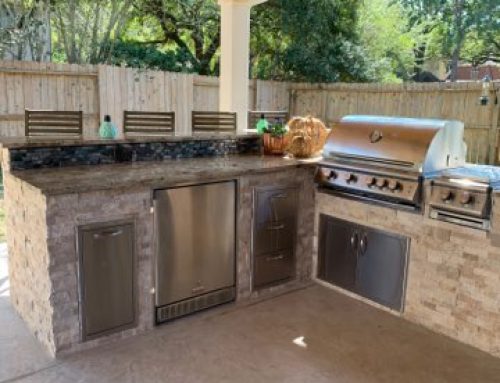
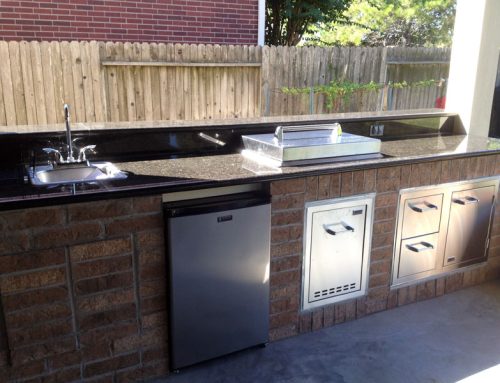
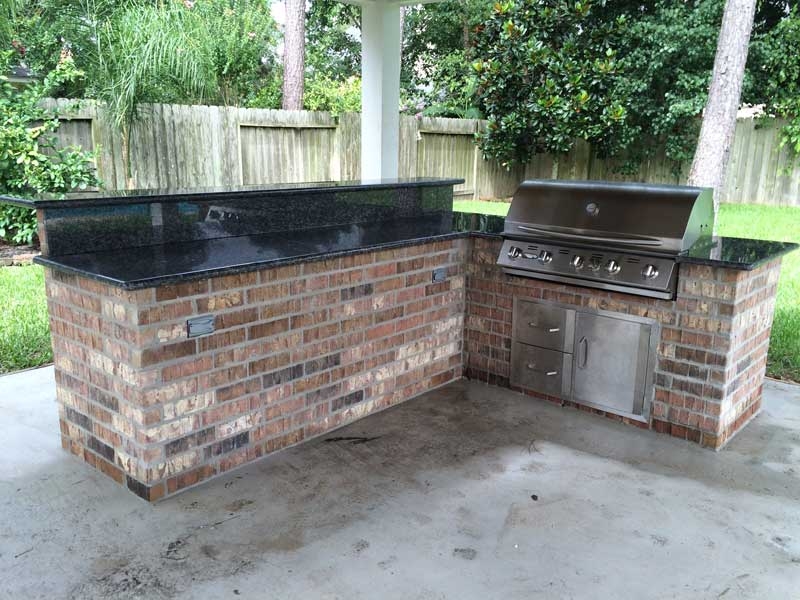
Your kitchen should look good, but it needs to work well too. Start with function. A simple L-shaped layout often works well for maximizing counter space without taking up too much room. If you plan to cook multiple dishes at once, leave enough space between your grill and prep areas.
Once you’ve got a layout that makes sense, start adding personality. Pick materials that hold up well outdoors but also match the vibe of your home. Natural stone, sealed concrete, and high-quality tile are all solid options for countertops. Cabinetry should be made from stainless steel, weather-treated wood, or synthetic materials built for outdoor use.
Don’t forget to think about flooring. Your patio surface should be slip-resistant and easy to clean. Stone pavers, concrete, or outdoor-rated tile usually do the trick. Just make sure whatever you choose won’t become slick when wet.
Add the Extras That Matter to You
You don’t need every fancy feature out there, but adding a few extras can turn a basic setup into something special. If you love hosting, an outdoor bar or beverage center could be a great addition. For serious cooks, a built-in smoker or pizza oven might be worth the investment.
Some popular specialty features include:
- A built-in smoker or pellet grill
- A pizza oven (wood-fired or gas)
- Side burners or griddles for cooking sides
- Warming drawers to keep food ready to serve
You don’t have to install everything at once. Just plan your layout with room to grow, so you can add features over time if your needs change.
Seating and Entertainment Make a Big Difference
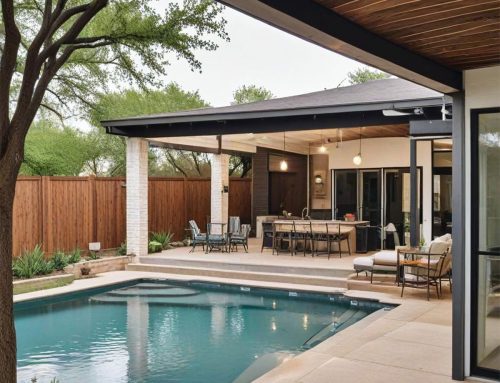
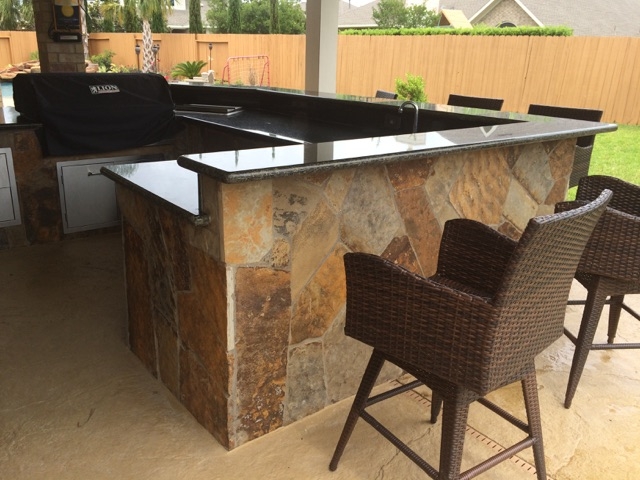
What sets a great outdoor kitchen apart from just a cooking station is how well it works as a hangout spot. If you want people to stick around, make it comfortable. Add bar stools, benches, or a small dining table. Make sure there’s some shade—either from a pergola, umbrella, or patio roof—and think about how the area will feel at night.
String lights, LED fixtures, and even small lamps can all add a cozy atmosphere. Outdoor speakers are a nice touch too, especially if you often host friends or family. And if you live somewhere with chilly nights, a fire pit or heater can make your kitchen usable year-round.
Keep Storage in Mind
One thing people often overlook is storage. You’ll need a place to keep tools, utensils, cleaning supplies, and maybe even a few pantry staples. Look for sealed cabinets that are made for outdoor use. They should be able to handle changes in temperature and moisture without warping, rusting, or growing mold.
If you don’t have room for full cabinetry, even a few weather-proof drawers or shelves can go a long way. The less you have to carry in and out every time you cook, the more you’ll actually use the space.
Maintenance Matters
Outdoor kitchens don’t require a ton of maintenance, but they do need some care to stay in good shape. Clean your appliances regularly, cover them when not in use, and keep an eye out for signs of wear. If you live in a cold climate, winterize your kitchen by shutting off water lines and storing anything that could be damaged by freezing temperatures.
Taking a few minutes after each use to wipe things down and put away tools will keep your kitchen looking great and working well for years to come.
Final Thoughts
An outdoor kitchen isn’t just a trendy add-on. It’s a lifestyle upgrade. Whether you’re grilling burgers for the family on a Tuesday night or hosting a weekend get-together with friends, having everything set up outside makes cooking and entertaining easier, more enjoyable, and a lot more memorable.
Just remember: take your time planning, focus on durability, and build something that works for you. Start simple if you need to, and let the space grow with your needs. Done right, your outdoor kitchen can be one of the best parts of your home.
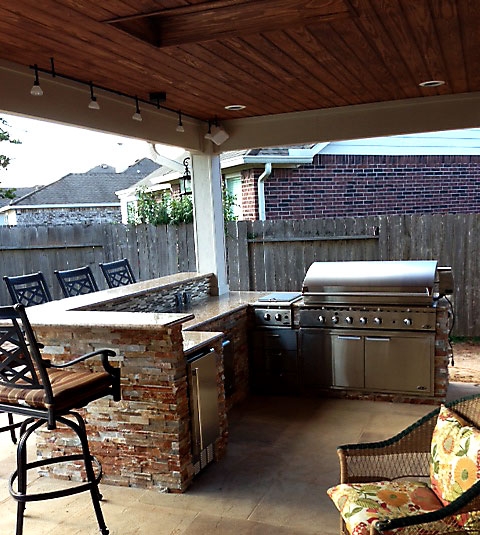
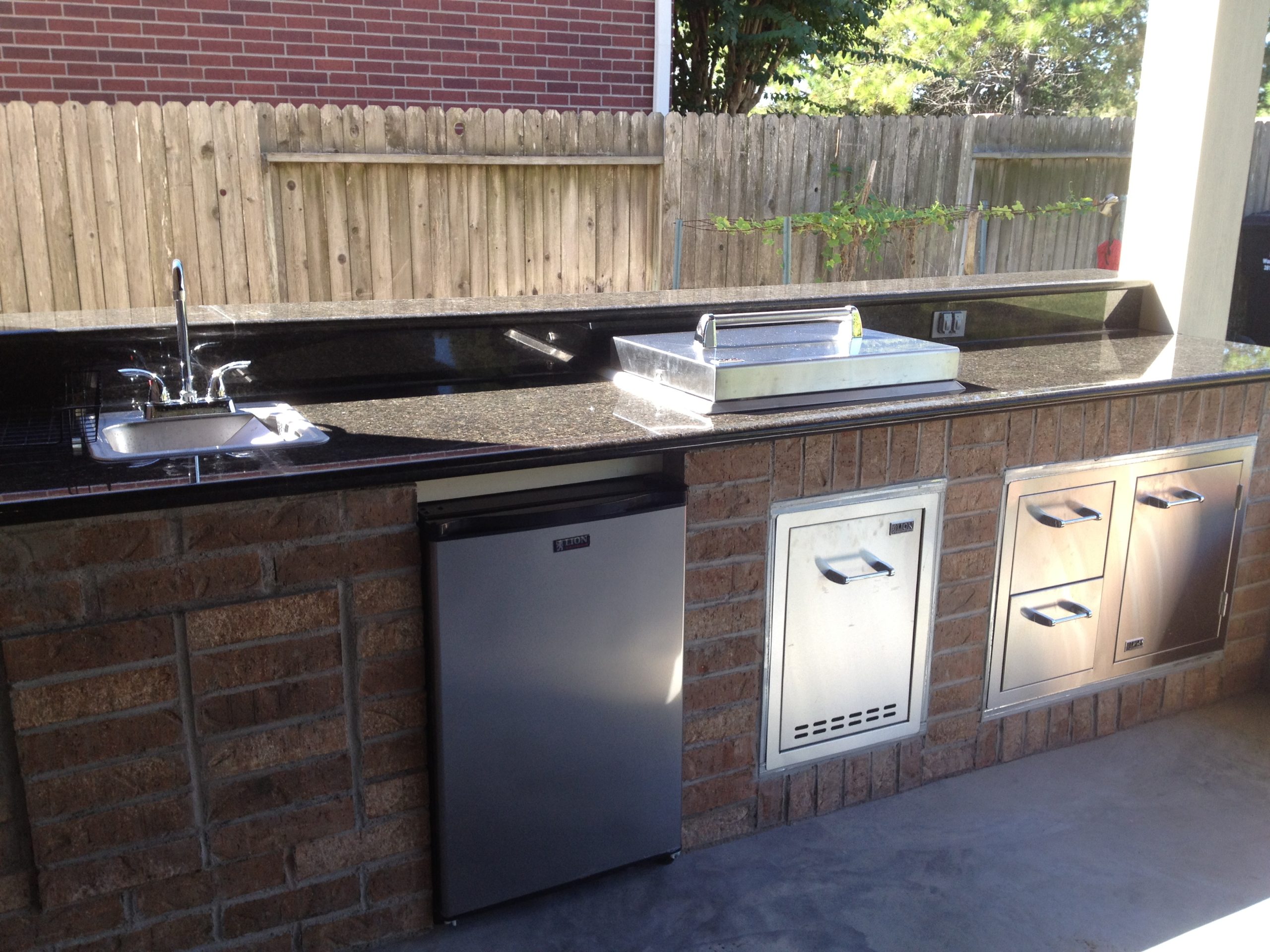
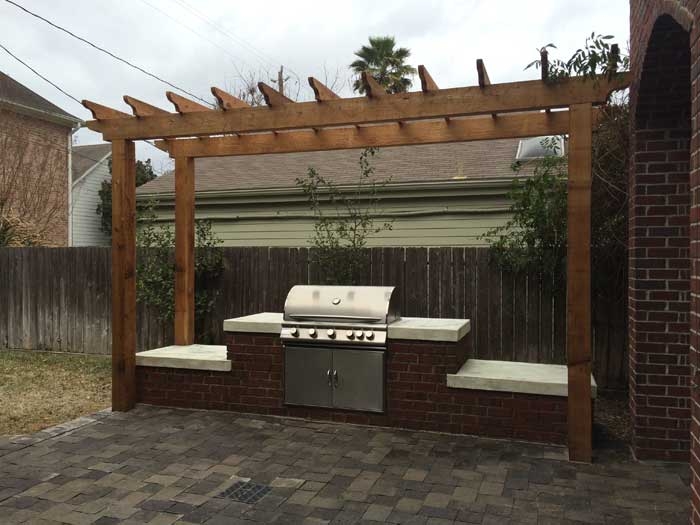
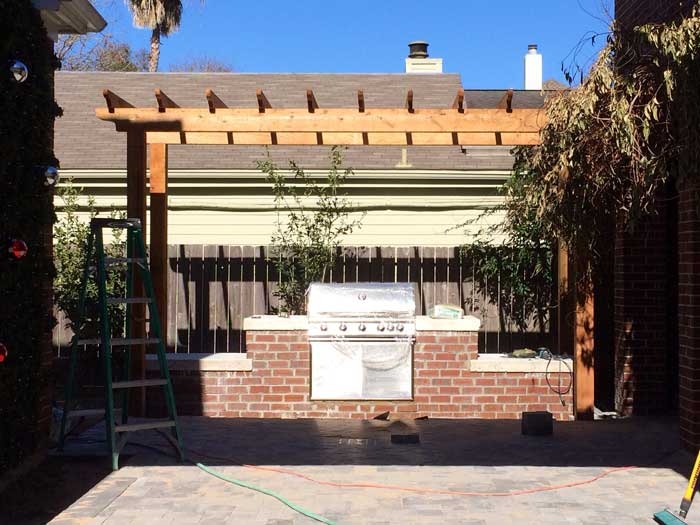
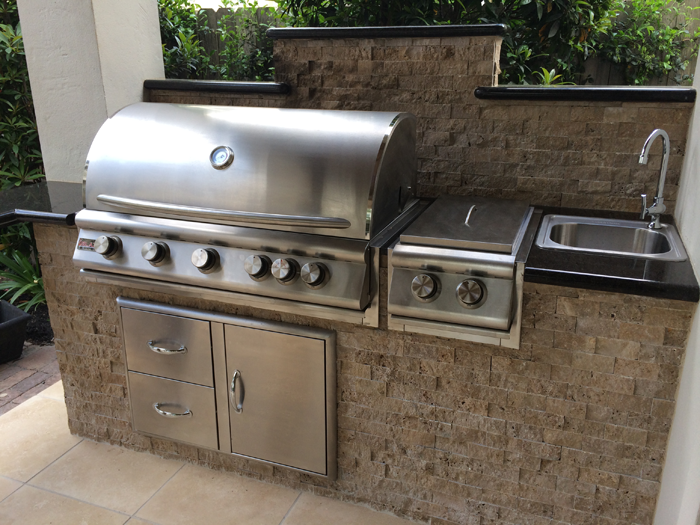
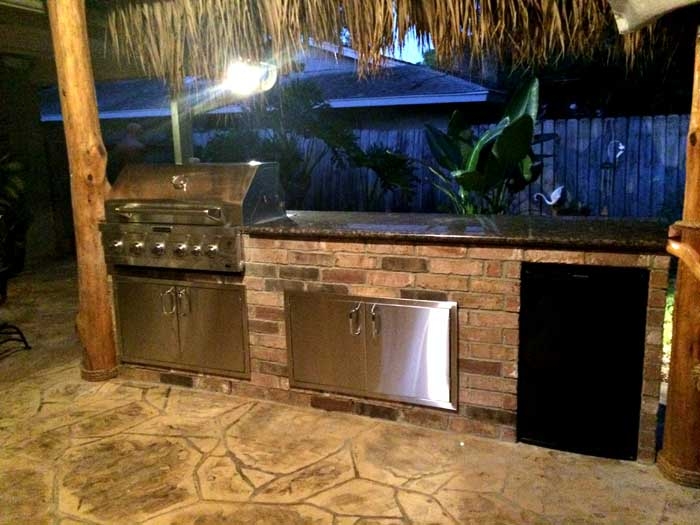
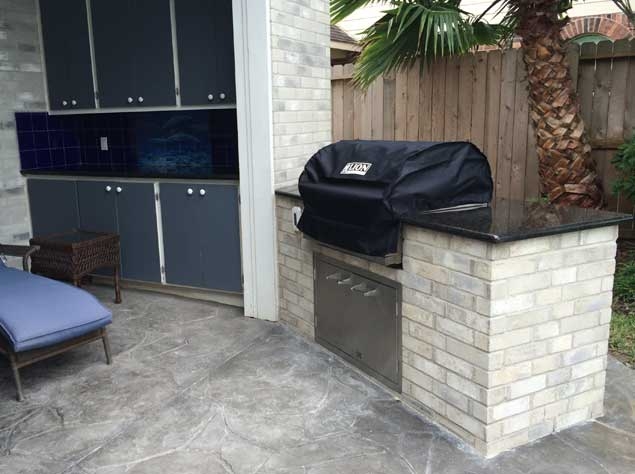
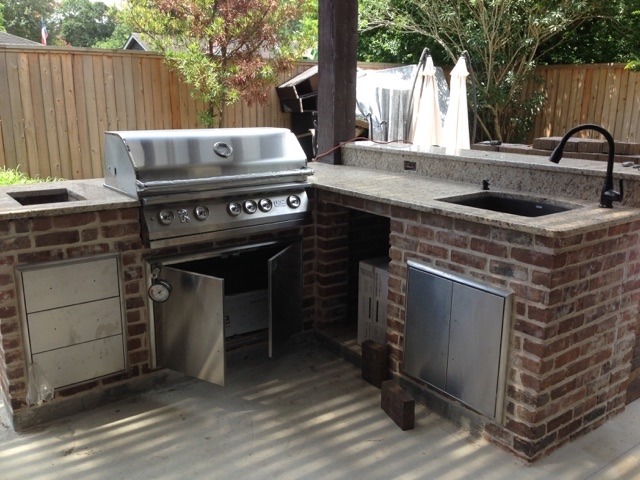
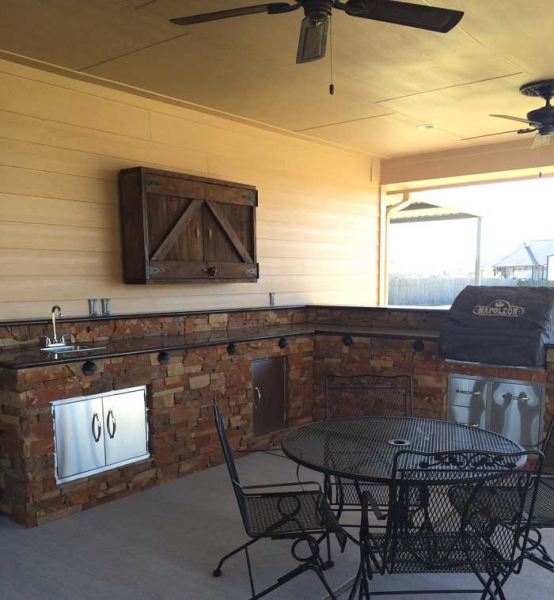
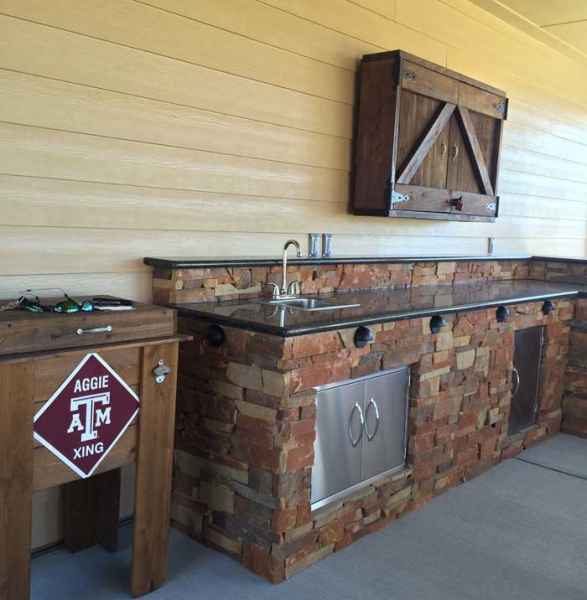
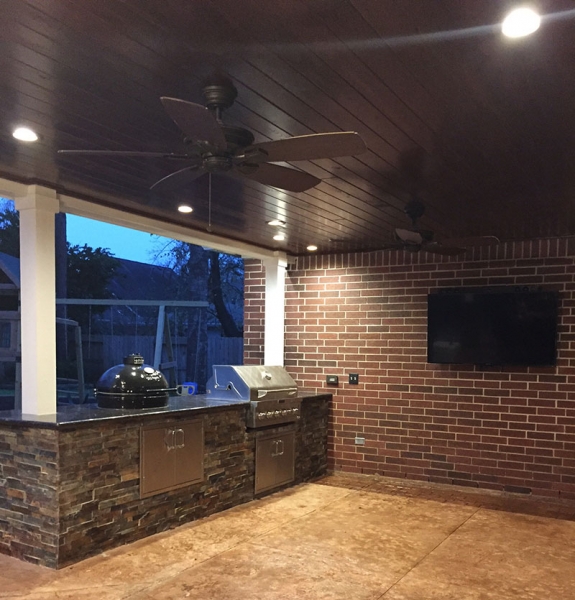
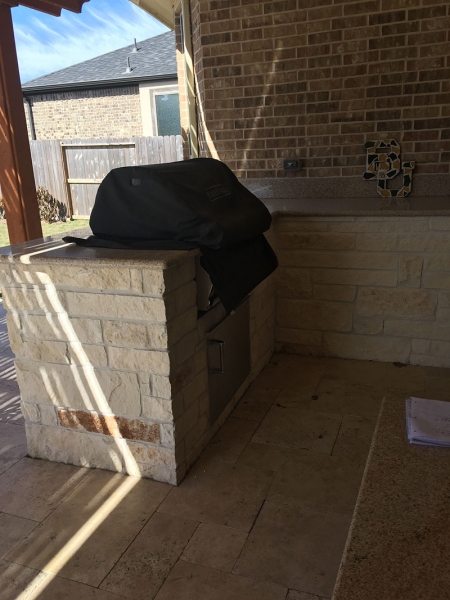
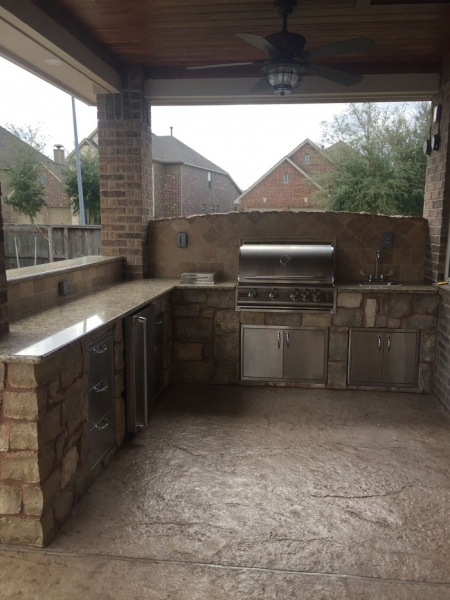
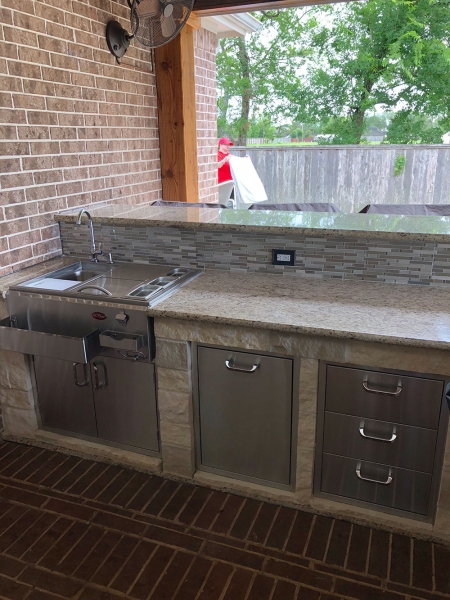
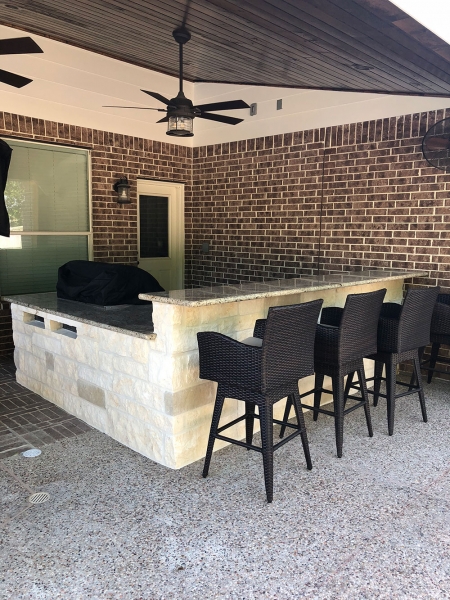
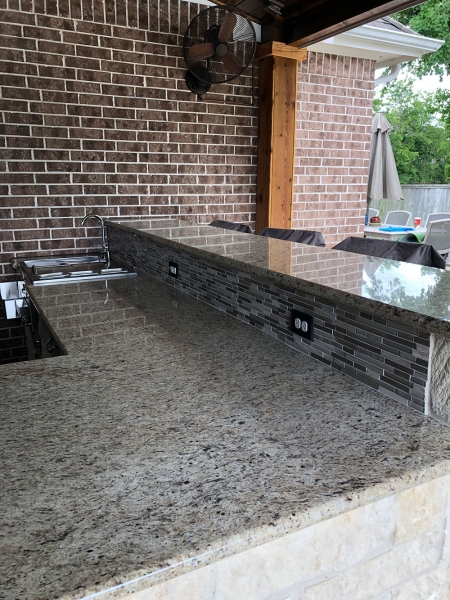
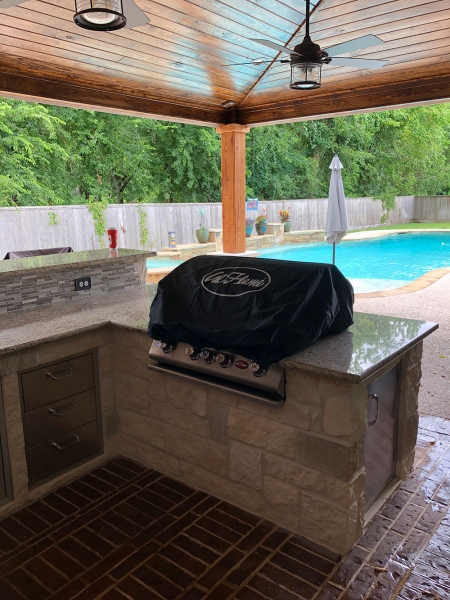
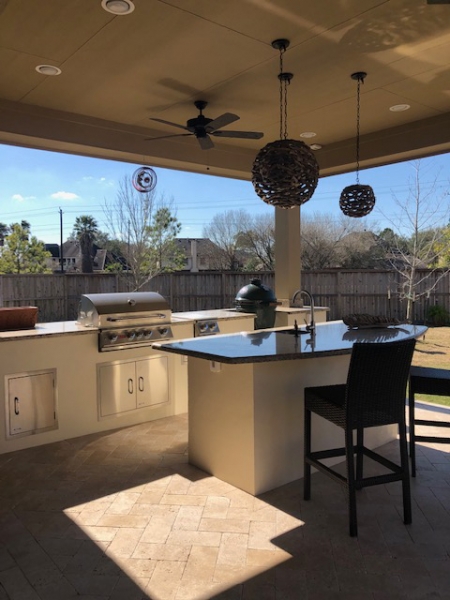
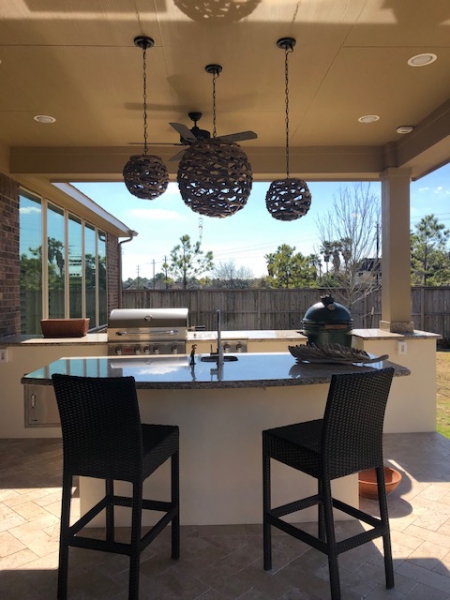
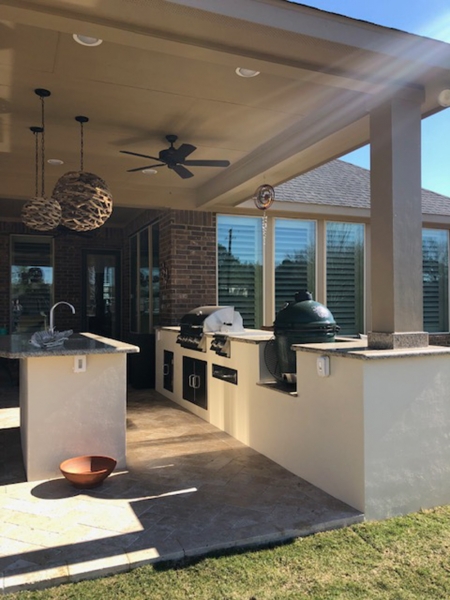
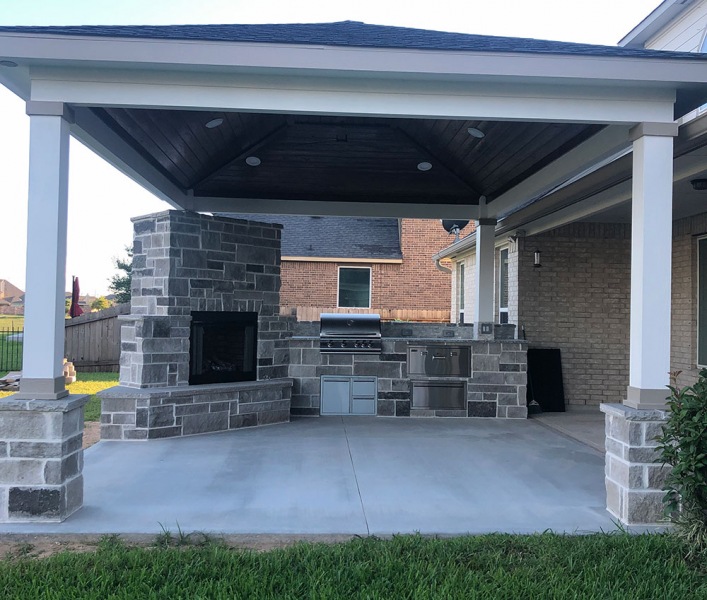
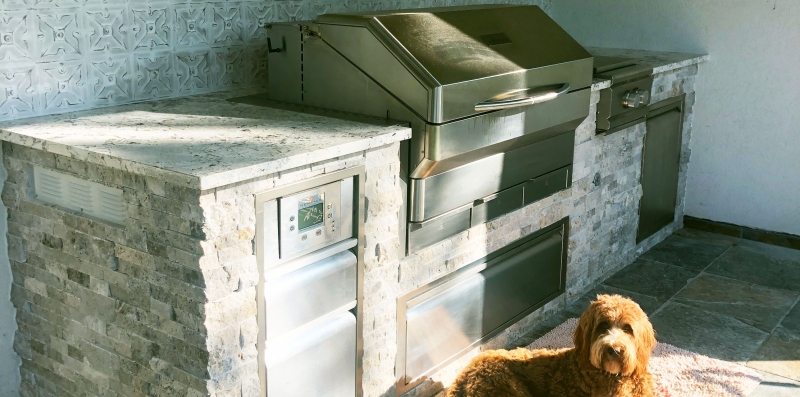
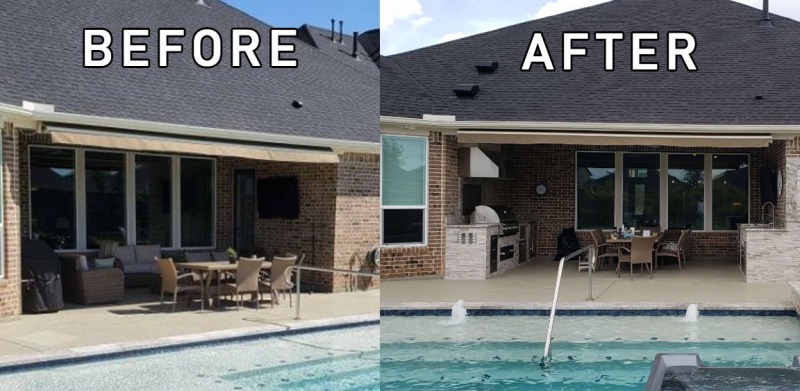
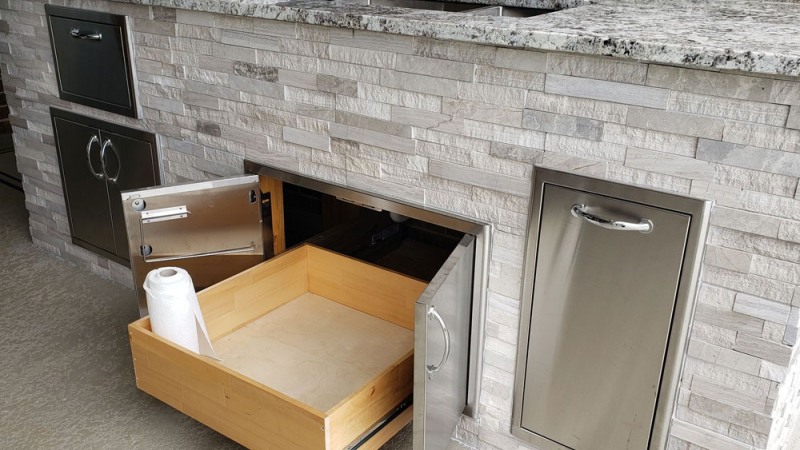
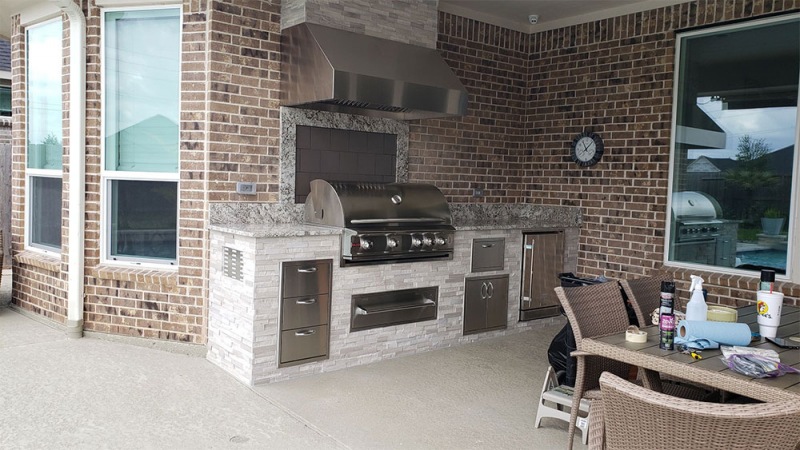
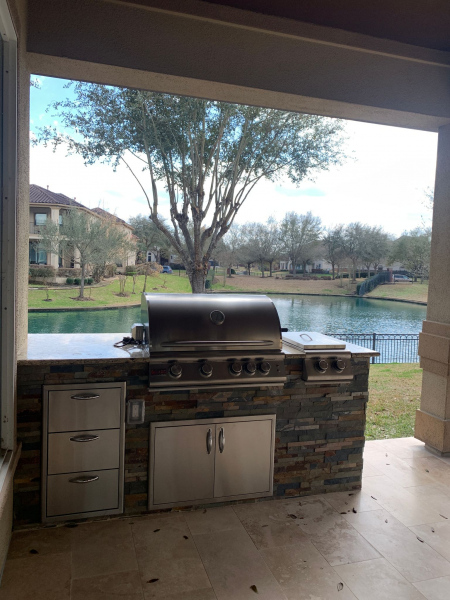
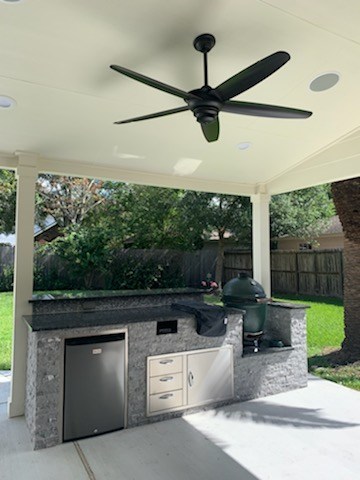
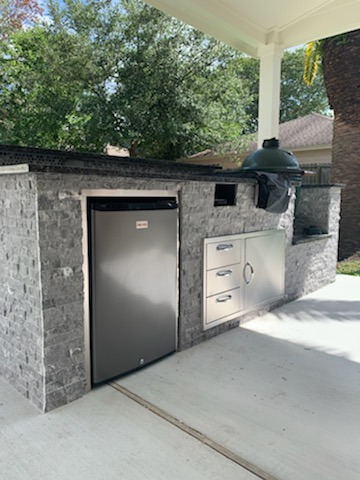
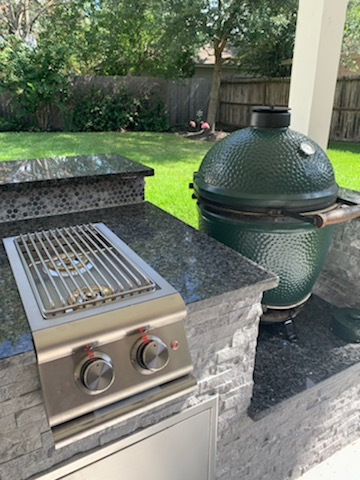
See the outdoor kitchens we built:



Are You Looking For A Reliable Contractor?